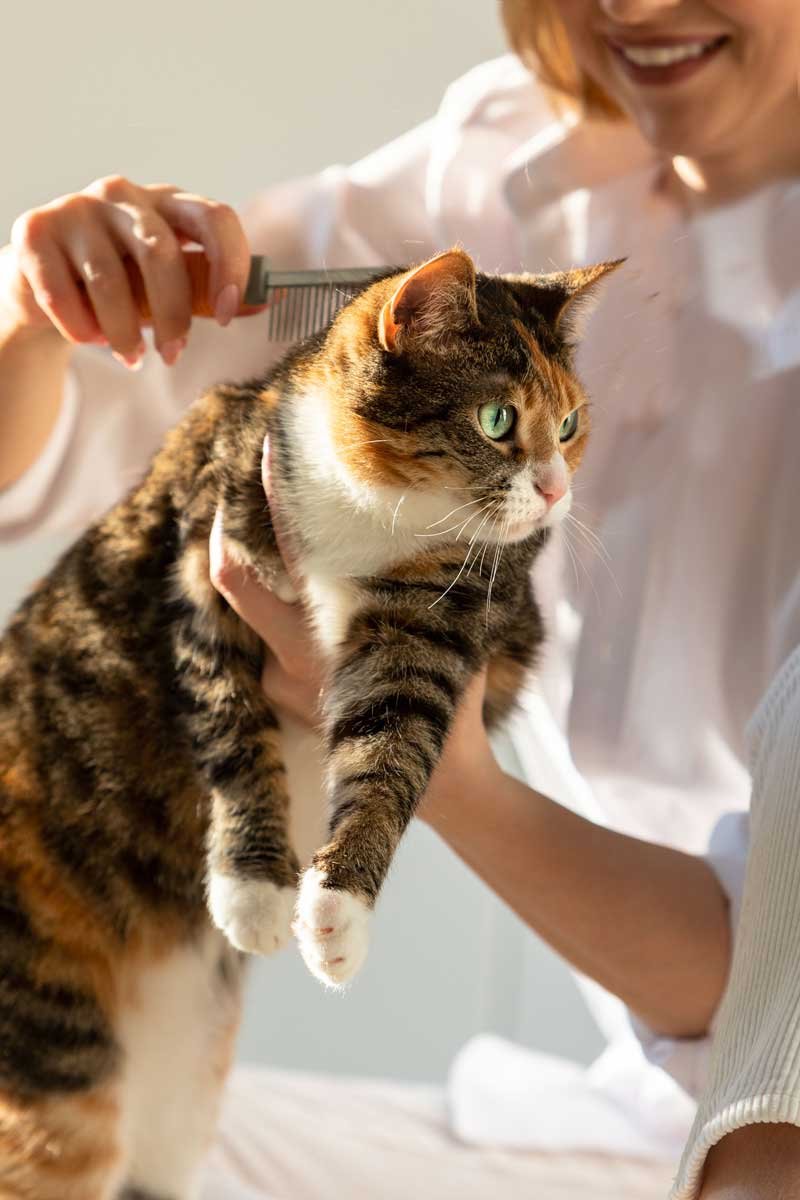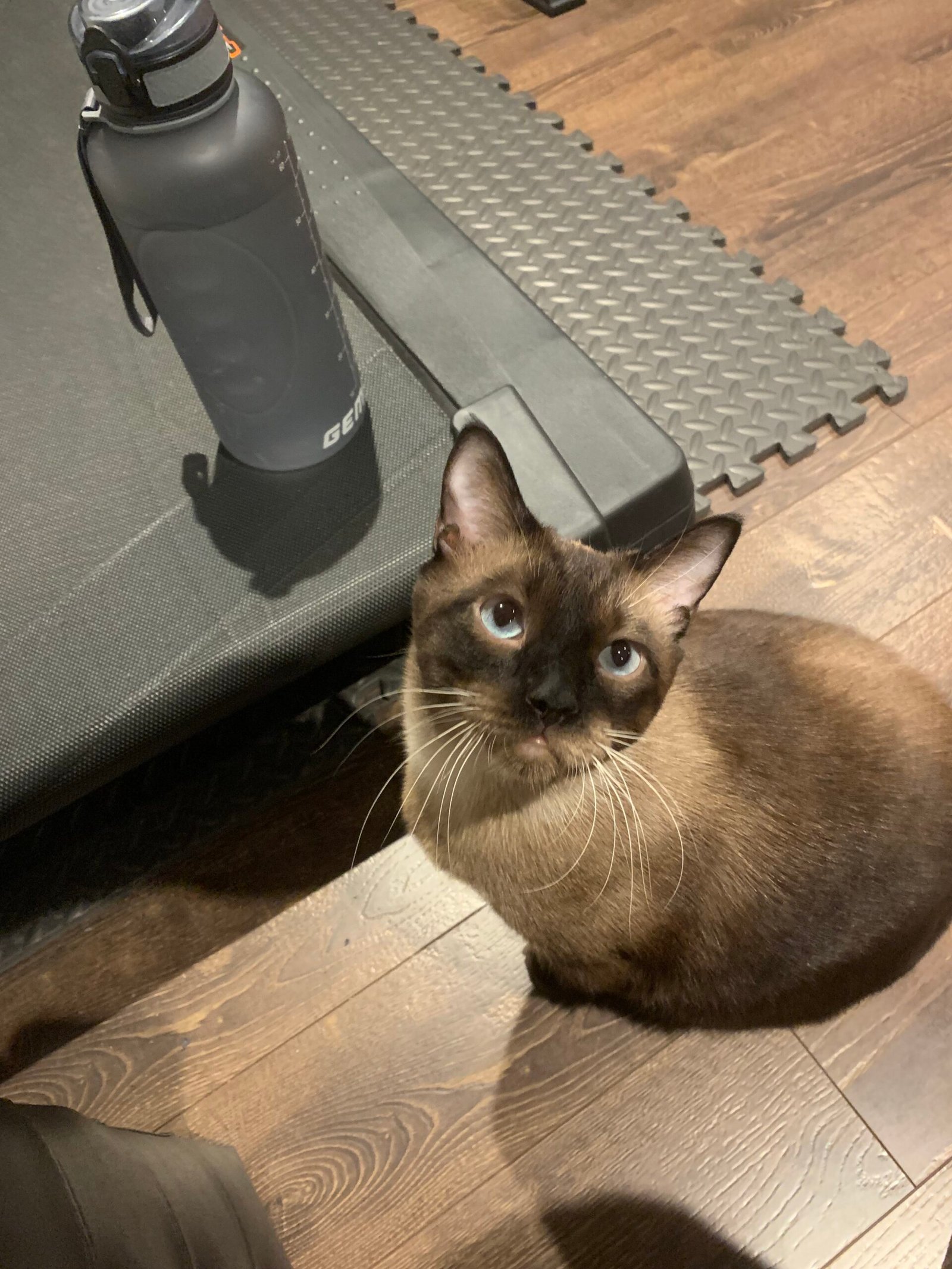


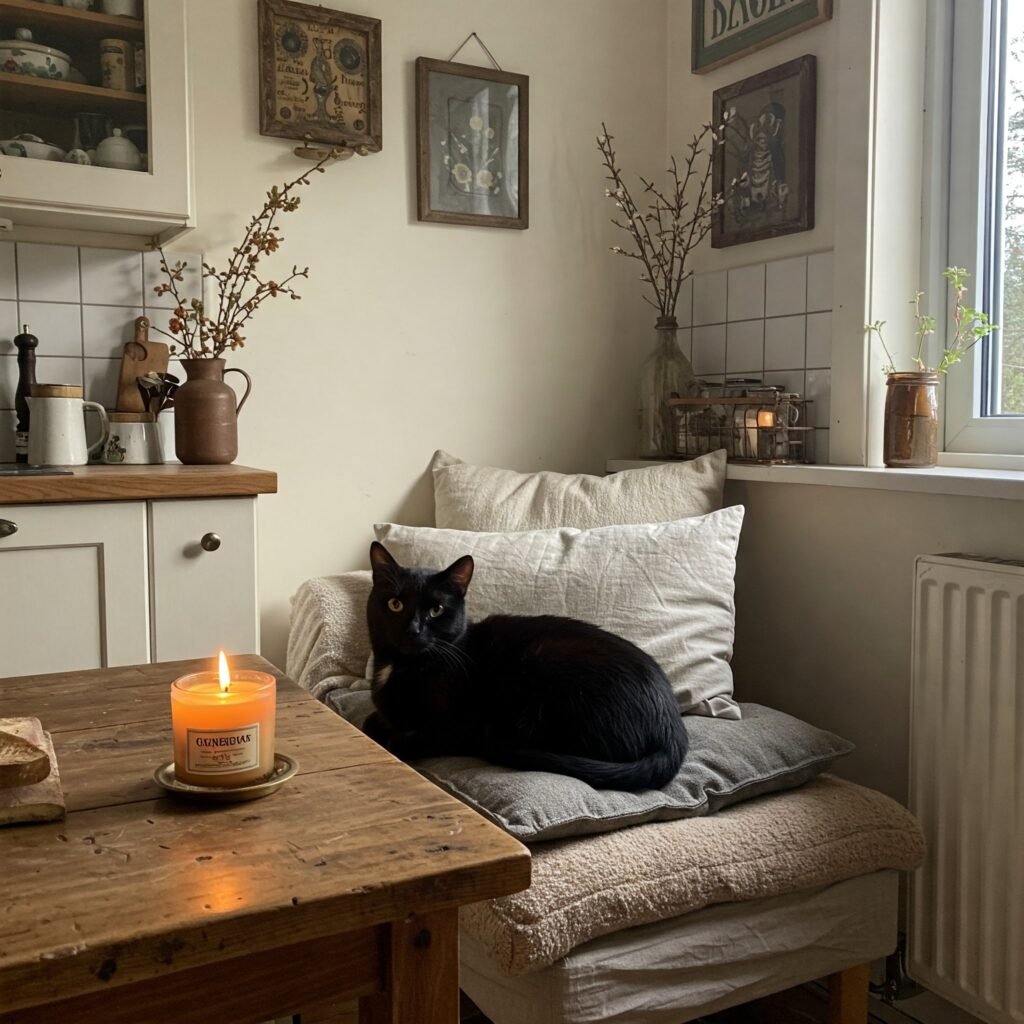
I used to light a lavender candle every night. It was part of my wind-down routine—dim the lights, light the wick, and let the day melt away. But I started noticing something subtle. My cat, Cocoa, would leave the room every time I lit that candle. At first, I thought it was just coincidence—maybe he preferred a quieter space. But then came the sneezing, watery eyes, and restlessness.
That’s when I learned the truth: many popular candles, oils, and home scents are toxic to cats. If you’re a cat parent trying to build a safe and cozy space, this is something you can’t ignore. Here’s everything I wish I had known earlier.
Candles and air fresheners might make your home smell amazing, but many contain chemicals and fragrances that are dangerous—or even deadly—to cats.
The biggest risks include:
“Cats have a limited ability to metabolize certain compounds found in essential oils and synthetic fragrances. Even small exposures can cause cumulative toxicity over time.”
— Dr. Justine Lee, DVM, DACVECC, Pet Poison Helpline
Here are some of the most common home scents that can be harmful to cats:
Even diffusers can pose a risk. Passive diffusion (like reed diffusers) may seem harmless, but volatile oils can linger in the air and be absorbed through your cat’s respiratory tract or skin.
After about a week of lighting my favorite lavender soy candle, Cocoa’s behavior changed. He began avoiding my room, sneezing occasionally, and had mild watery eyes. I didn’t put two and two together until I turned off the candle for a few days—and he came right back, curled up in my lap like nothing had happened.
I switched to an unscented beeswax candle and never had the same issue again.
“It’s not about living scent-free—it’s about choosing scents that won’t harm your pet.”
— Uzair Ahmed, Cat Parent and Co-Founder of The Pet Merch
You don’t have to give up a cozy, fresh-smelling space. There are plenty of safer ways to keep your home inviting:
Always check labels, and when in doubt—ask your vet.
If you still want to use candles occasionally, here are a few safety rules I now live by:
Even with non-toxic candles, it’s always best to burn them in well-ventilated rooms and for short periods only.
Being a responsible cat parent isn’t just about feeding your cat and cleaning the litter box. It’s about making your entire home a safe environment. That means questioning even the things that seem harmless—like your favorite candle.
I made the switch for Cocoa. He’s healthier, happier, and never runs from my room anymore. Now, our nightly routine includes a warm mug of tea, a beeswax candle flickering gently, and Cocoa purring beside me—safe and sound.
Have you ever noticed your cat reacting to a scent in your home? What changes have you made to create a safer space for them? Share your tips in the comments—let’s help each other do better.
Integer posuere erat a ante venenatis dapibus posuere velit aliquet sites ulla vitae elit libero
The Pet Merch is a cozy, creative shop that turns your cat into personalized gifts — from hilarious memes to heartfelt tributes — all designed with love by real cat lovers.
Be the first to know about new drops, exclusive promos, and purr-fect gift ideas.
Plus, enjoy 20% off your next order – our little way of saying thanks!